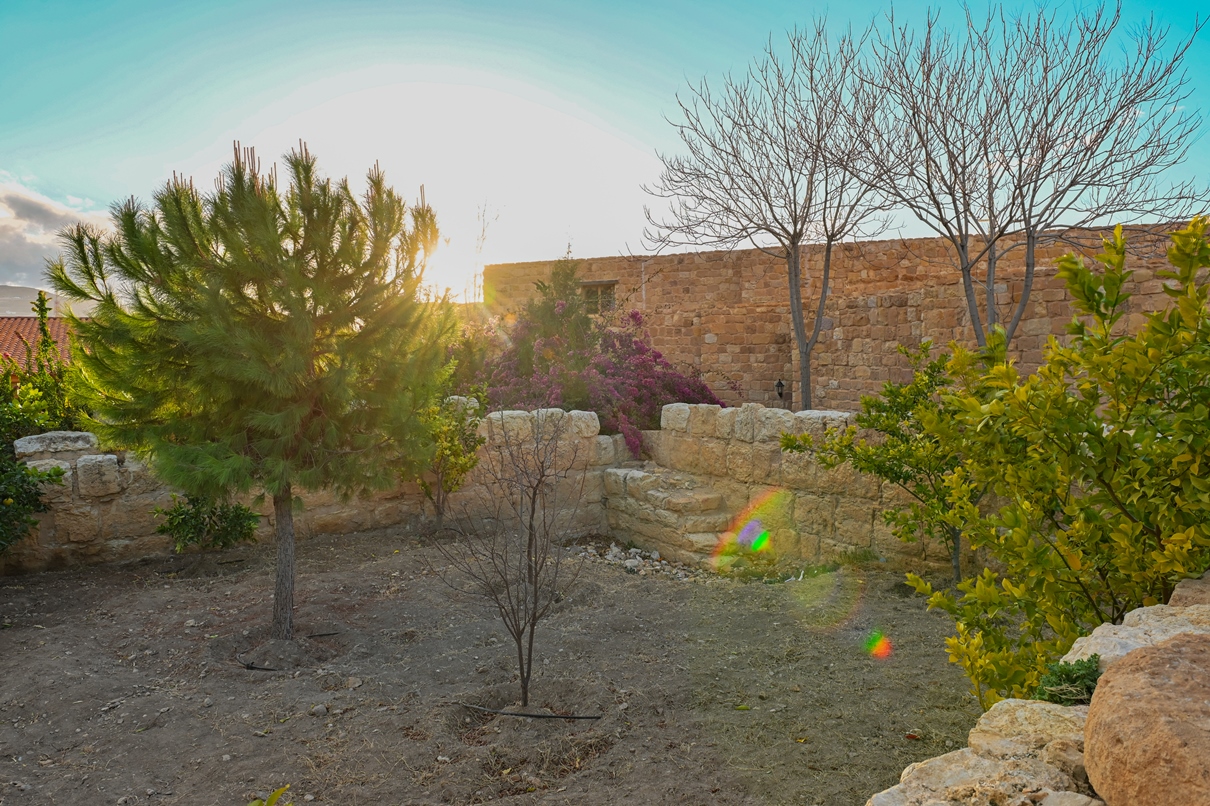
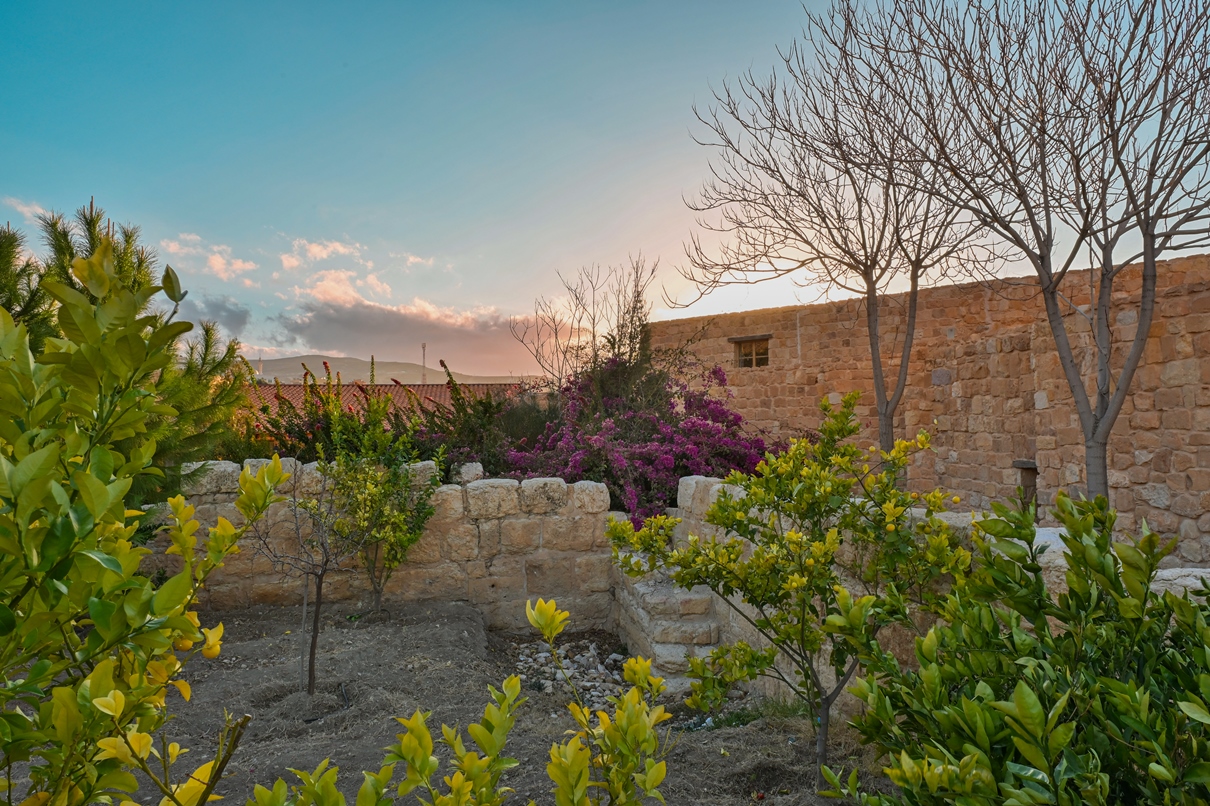
History

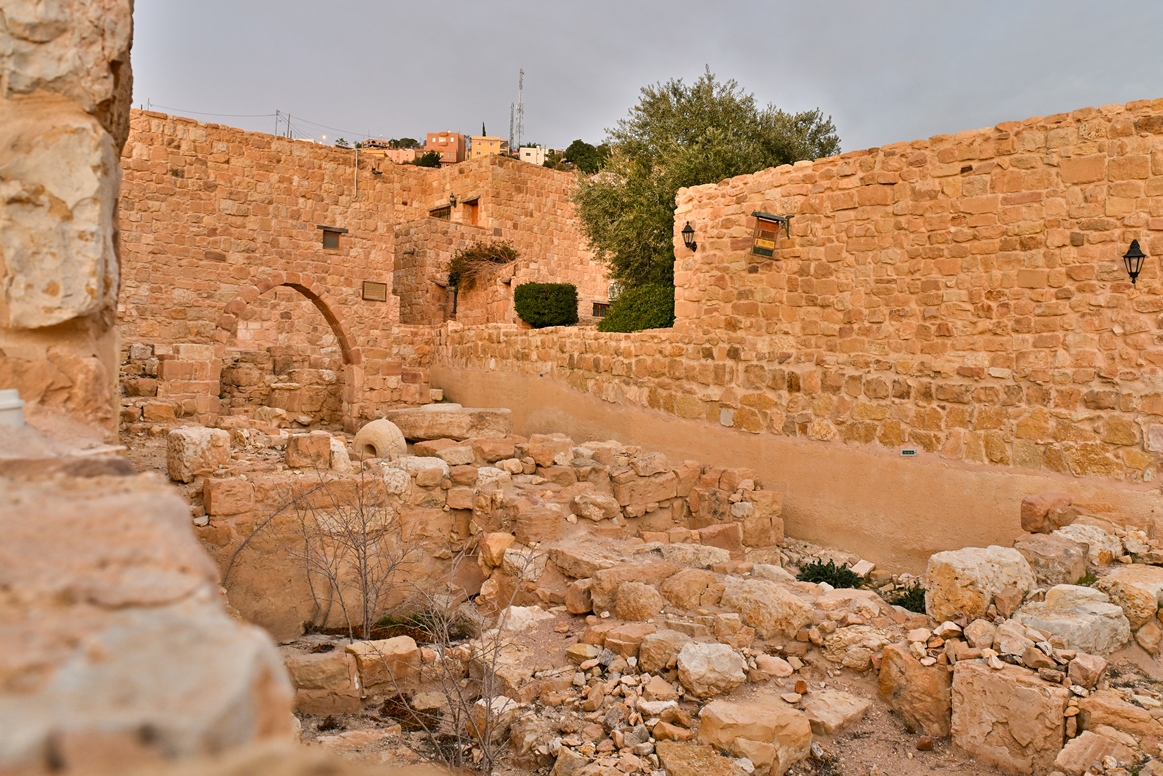
According to the excavation of 1997 BCE by the department of antiquities, the city was inhabited first in the late Bronze Age and flourished during the Nabatean, the Byzantine and Islamic periods. The local people of Nawafleh tribe had lived in the village up to 1975 BCE when the last family of the tribe left the village to the new houses which could be seen around the village. It was called the old village or (Al gurya in Arabic) by the locals.
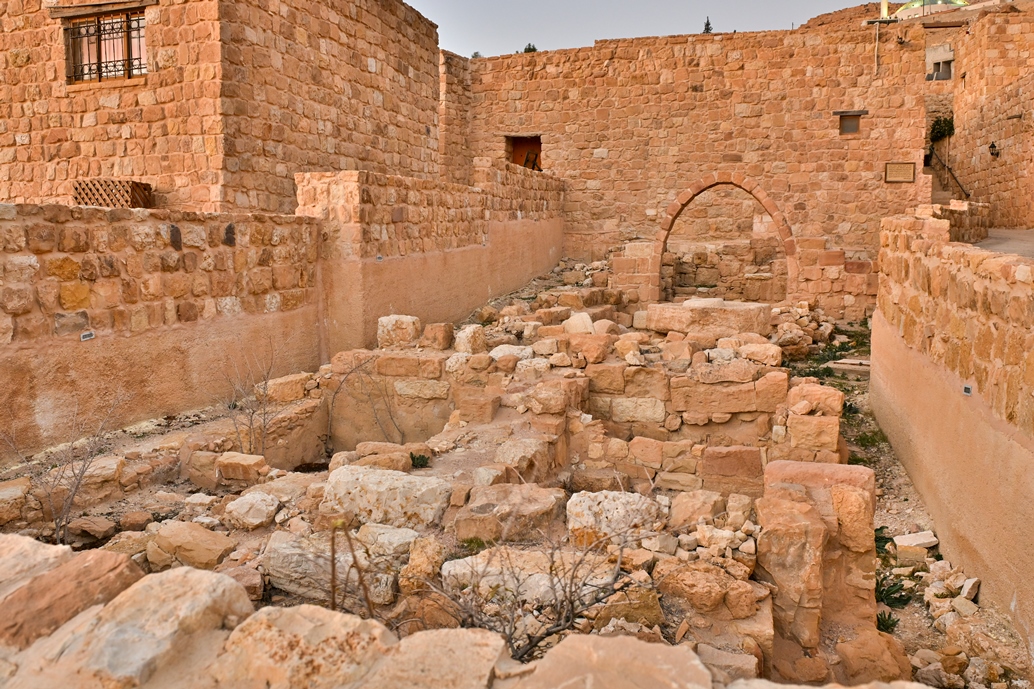
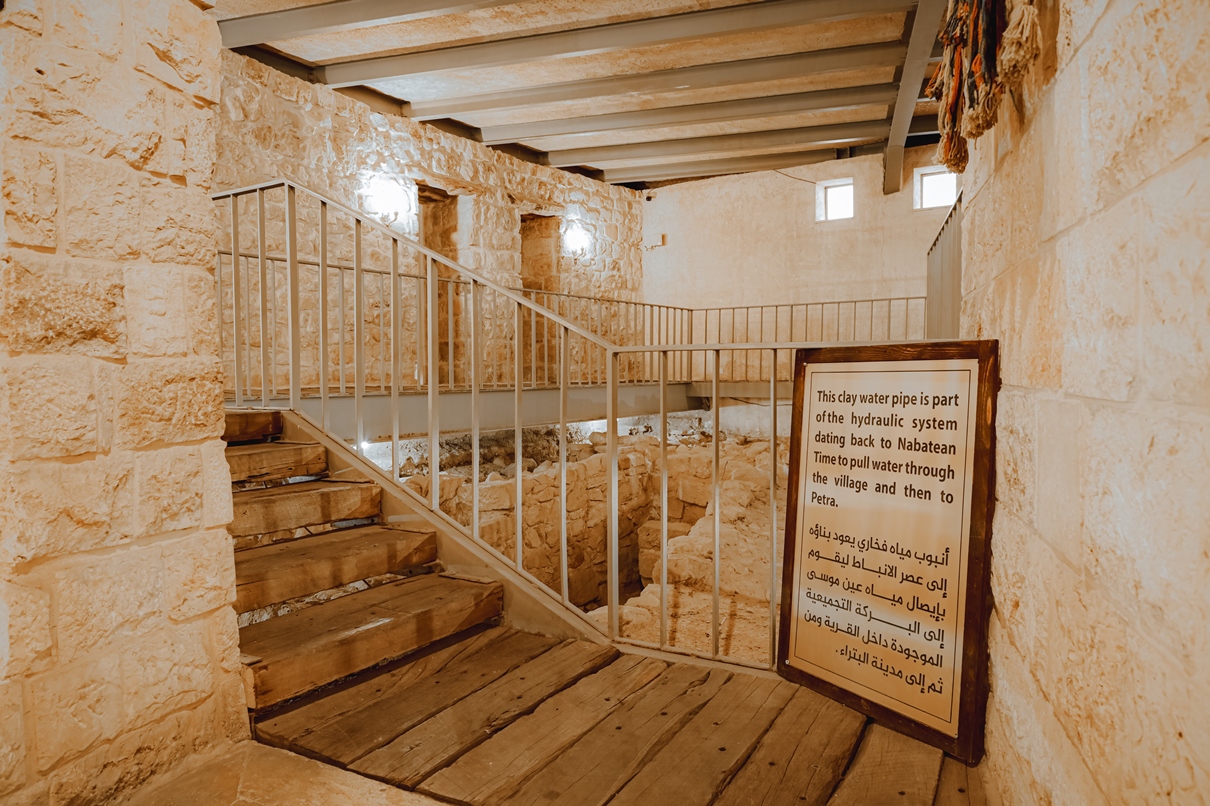
Nabataean stone water channel

The Nabataean stone water channel is an ancient system built by the Nabataeans to transport and distribute water. Carved from stone, it reflects their advanced engineering skills and shows how this civilization managed water for agriculture and daily life in a sustainable way

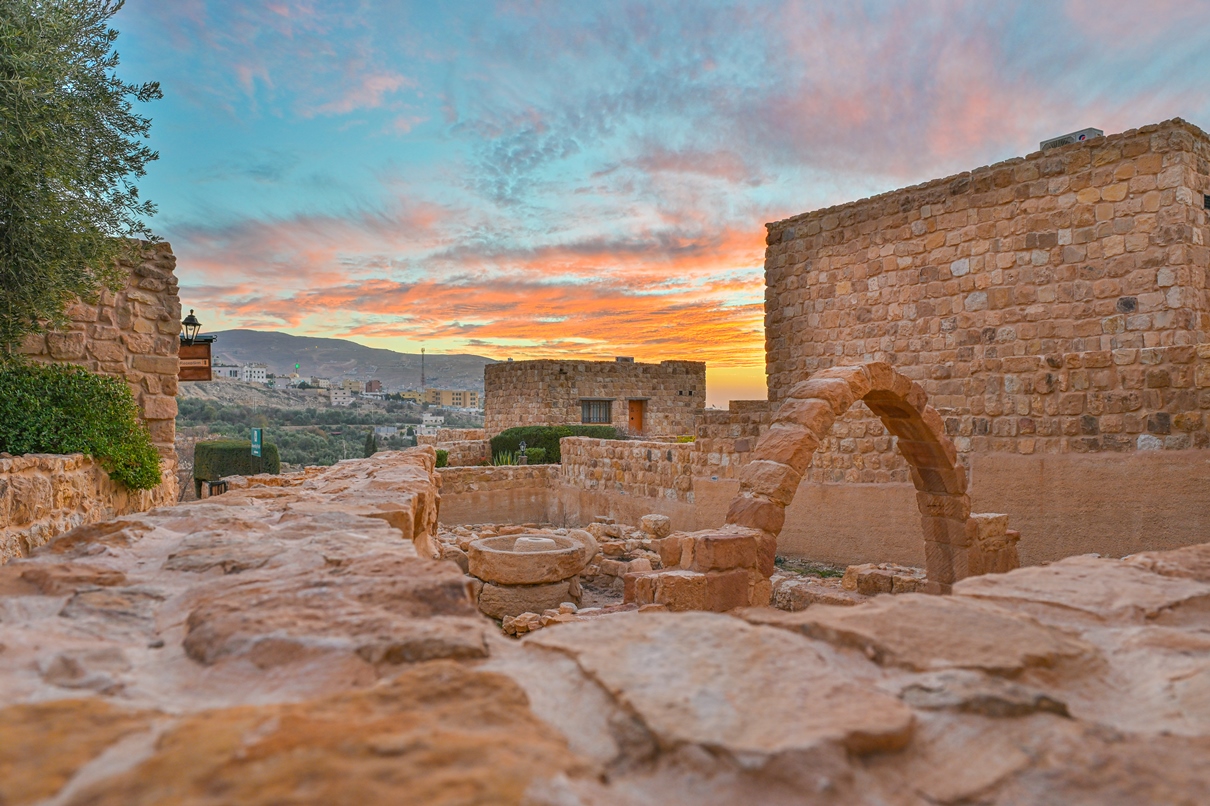
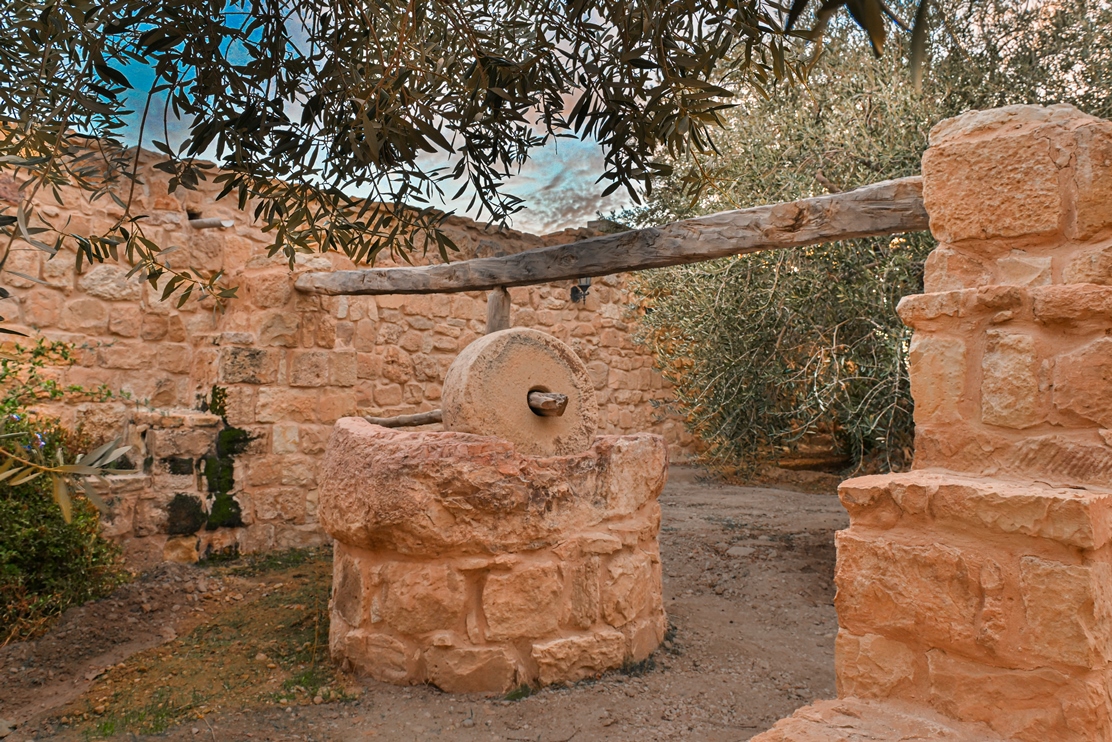
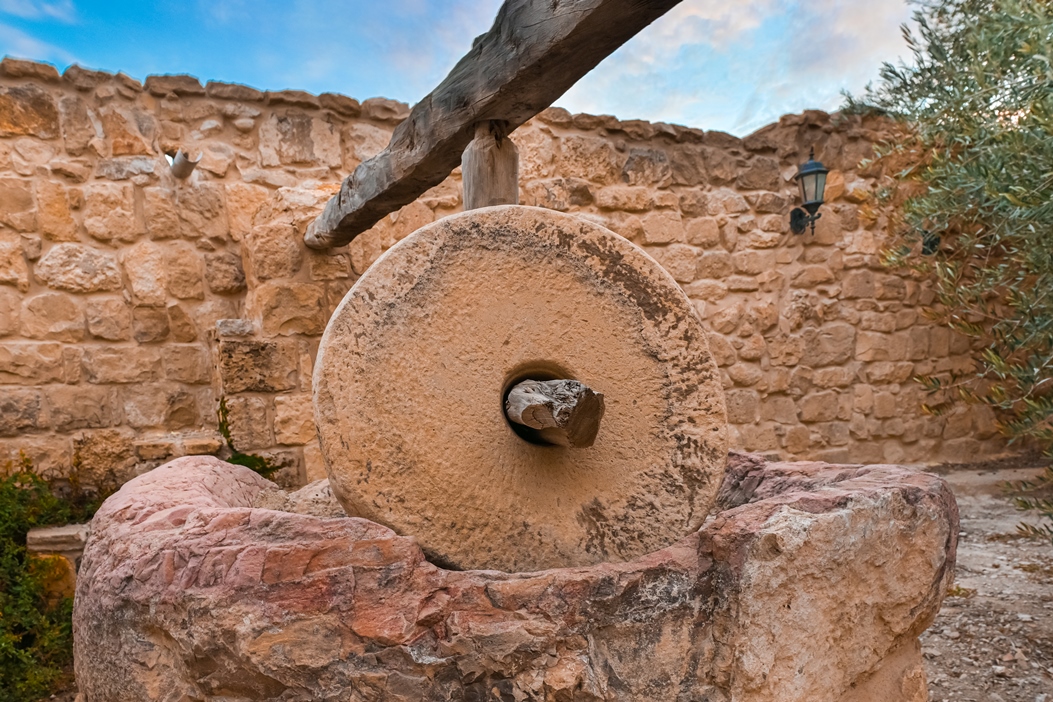
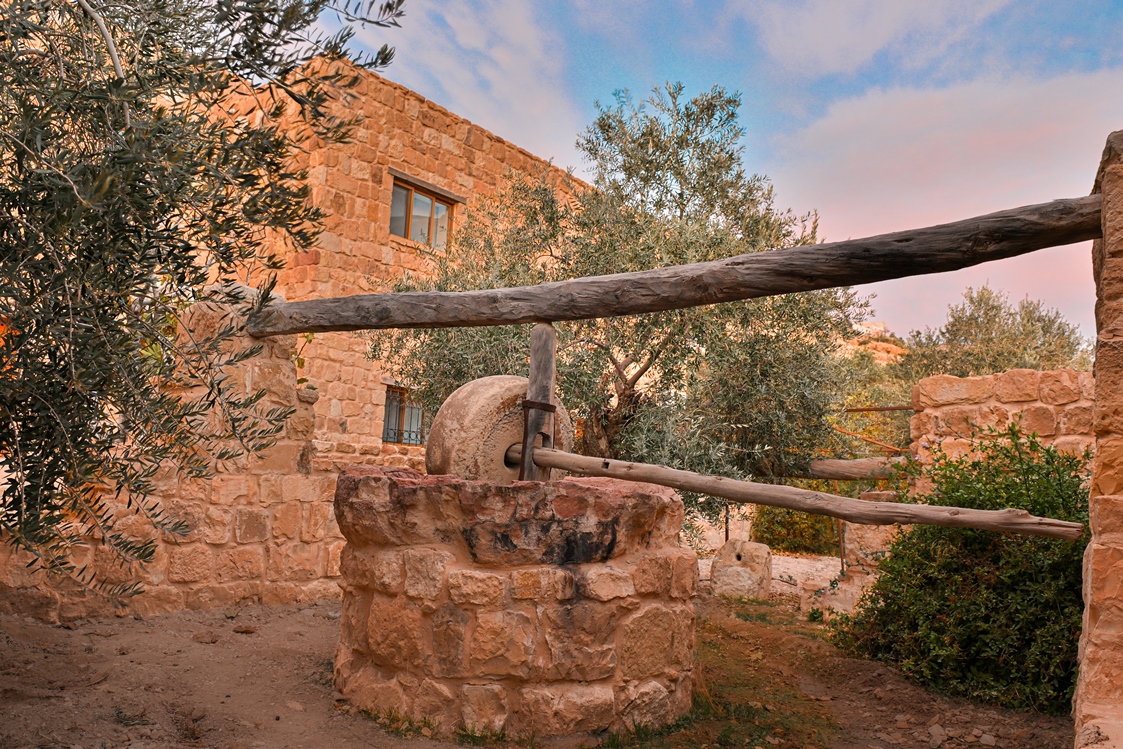
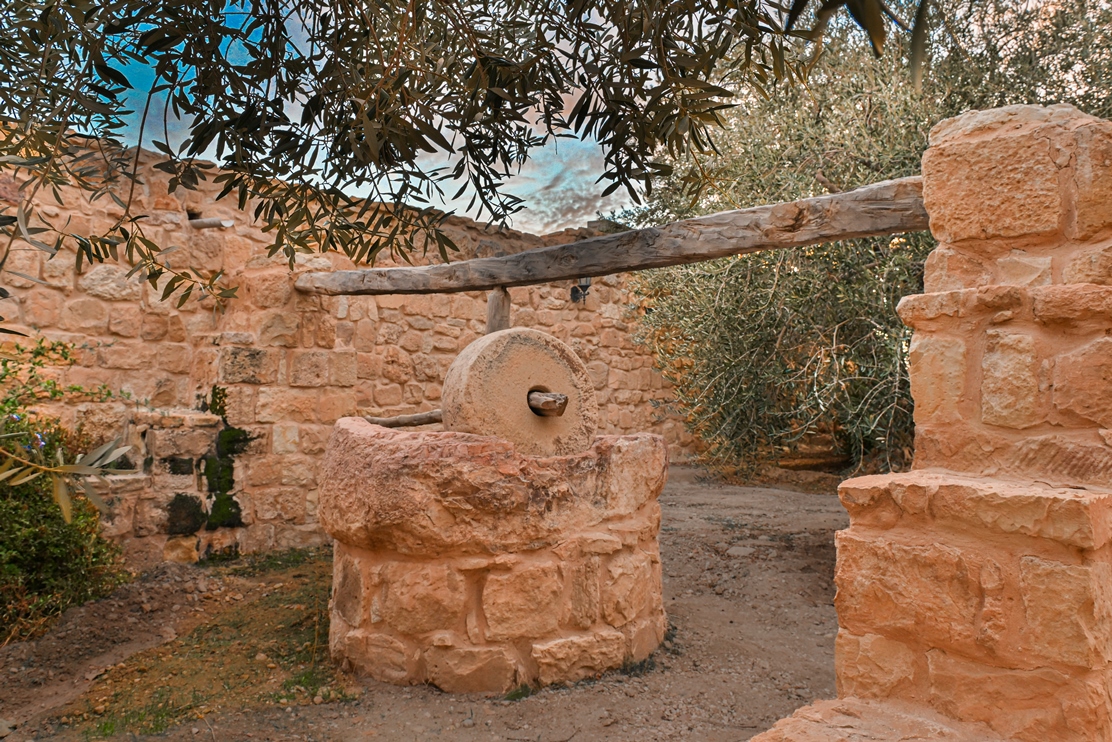
Ancient stone olive oil press

The ancient stone olive oil press is a traditional heritage site that shows how olives were once crushed and pressed using heavy stone wheels. It reflects the history of olive cultivation and the authentic methods used by our ancestors to produce pure olive oil

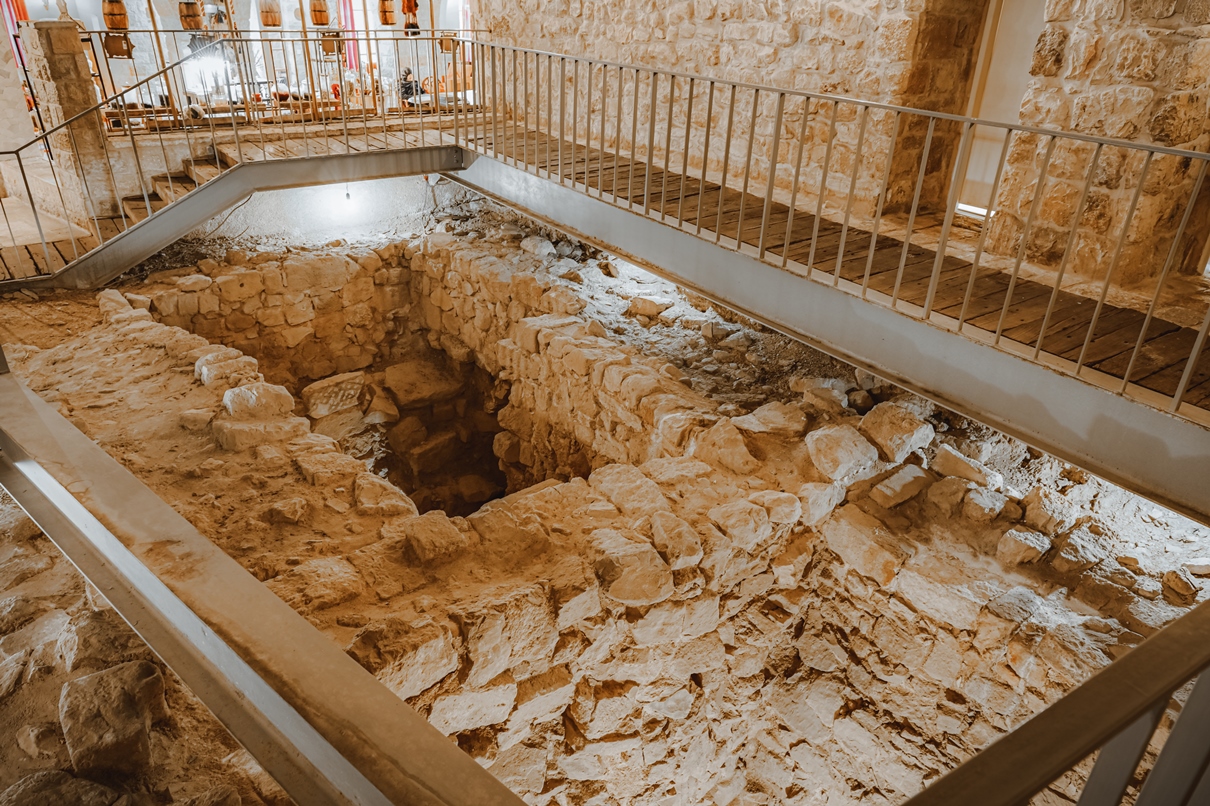
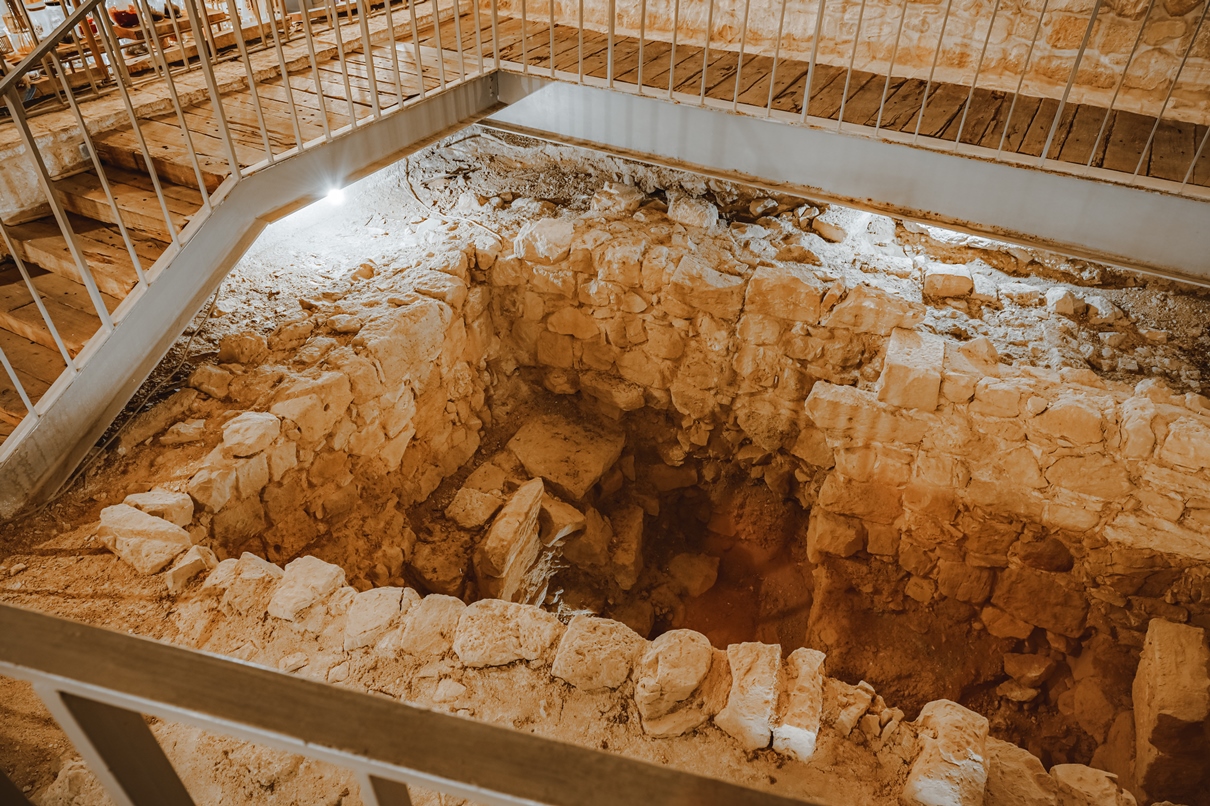
The ancient Roman Water- Pool

The ancient Roman Water- Pool is a historic structure once used to collect and store water before it was transported through stone channels. Built with skillful engineering, it reflects the Romans’ advanced methods of managing water for daily life and agriculture